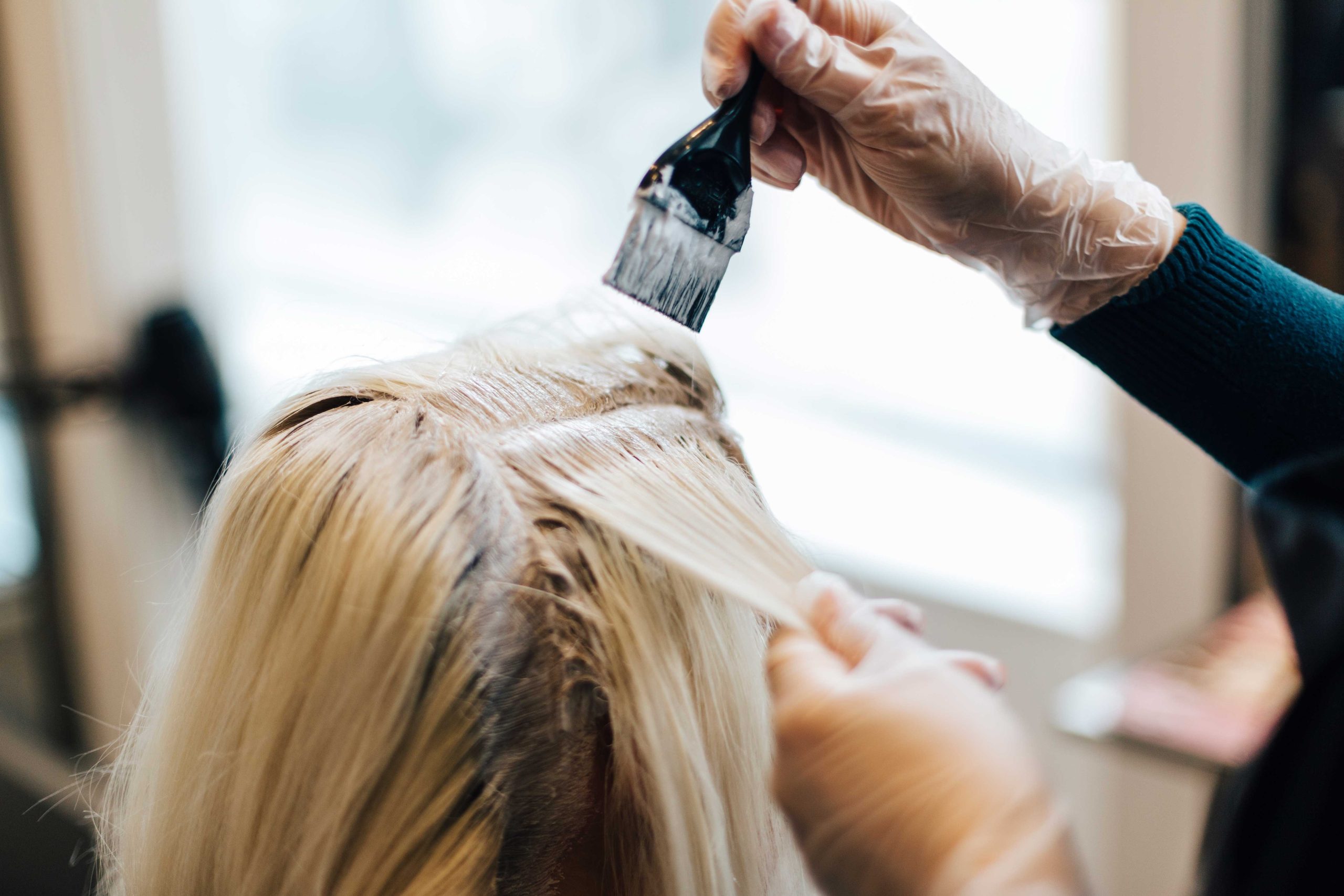

Hair coloring has a rich history, dating back thousands of years, evolving to include intricate techniques, advanced products, and personalized styles. Root touch up has become an essential practice for many, providing a quick and efficient solution to maintain hair color. In this exploration, we’ll uncover how this process has transformed, adapting to changing fashions and technological advancements, and becoming a crucial service in every hair salon.
Ancient Beginnings and Natural Dyes
The concept of hair coloring has roots in ancient civilizations. Egyptians, Greeks, and Romans experimented with natural dyes derived from plants, minerals, and metals. Early hair color was simplistic, with limited shade options and durability. Yet, these ancient methods laid the groundwork for modern hair color techniques.
The introduction of henna, indigo, and other natural dyes allowed people to customize their hair color to some extent, though consistency and reliability were still lacking. In these times, hair color was often a reflection of societal status or cultural identity, adding to its significance.
The Birth of Synthetic Dyes
The 19th century saw the advent of synthetic dyes, revolutionizing the hair coloring industry. Synthetic hair dyes provided greater color variety, consistency, and longevity. This development changed the way people approached hair coloring, making it accessible to a broader audience. Root touch up became an emerging trend, allowing people to maintain their color without full dye applications.
During this period, the use of ammonia-based dyes became more common, offering a stronger and longer-lasting coloring solution. This also marked the beginning of hair salons specializing in hair coloring services. The transition from natural to synthetic dyes played a crucial role in the evolution of root touch up techniques, leading to more professional and reliable results.
The Rise of Hair Salons and Specialized Services
As hair salons grew in popularity, the demand for specialized services increased. Hair salons near me became a common search term as people sought professional hair color services. This era saw the emergence of dedicated hair salons offering various color services, including highlights, balayage, and, notably, root touch up.
The emphasis shifted from simply coloring hair to providing tailored services based on individual preferences. Root touch up became a standard offering, allowing clients to maintain their color and style without frequent full-color treatments. Salons began incorporating more advanced techniques, including glaze/toner applications, to enhance the longevity and vibrancy of the color.
Modern Innovations and Advanced Techniques
The late 20th and early 21st centuries brought about significant advancements in hair coloring technology. Companies invested in research and development, creating a wide range of products designed for specific hair types and conditions. This era also saw a focus on reducing damage caused by harsh chemicals, leading to the development of deep conditioning treatment and keratin treatments.
Innovations in hair coloring included ammonia-free dyes, gloss or glaze treatments, and specialized root touch up products. These changes allowed salons to offer a broader range of services, catering to diverse client needs. The focus on reducing hair damage and promoting healthy hair growth became a central theme in modern hair coloring.
The Role of Social Media and Influencers
Social media platforms like Instagram and YouTube played a significant role in shaping hair coloring trends. Hair salons used these platforms to showcase their work, attract clients, and share tips on root touch up techniques. Influencers and hair professionals began sharing tutorials, making it easier for people to learn about at-home coloring and maintaining salon-quality results.
The influence of social media extended to salon professionals, with hairstylists gaining recognition for their innovative techniques. This trend led to a surge in demand for personalized hair color services, driving the need for advanced root touch up solutions.
Eco-Friendly and Sustainable Practices
In recent years, there’s been a growing awareness of environmental sustainability in the beauty industry. This shift has impacted the hair coloring sector, with salons adopting more eco-friendly practices. Root touch up products and services have evolved to include organic and cruelty-free options, reducing the environmental impact of hair coloring.
Salons are now focusing on sustainable practices, such as recycling hair dye packaging and using eco-friendly hair products. Clients seeking hair salons near me are increasingly looking for establishments that align with their environmental values. This trend is reshaping the way salons approach root touch up and other hair coloring services.
The Future of Root Touch Up
As hair coloring techniques continue to evolve, the future of root touch up looks promising. Ongoing advancements in technology and product development are likely to enhance the efficiency and effectiveness of these services. The focus on sustainability and personalized solutions will continue to drive innovation in the hair coloring industry.
Clients can expect even more tailored root touch up options, with salons offering unique services to meet diverse needs. Whether it’s through eco-friendly practices, innovative products, or specialized techniques, hair salons will play a vital role in shaping the future of hair coloring. The journey from ancient dyes to modern root touch up techniques reflects the dynamic nature of the hair coloring industry, constantly evolving to meet the needs and preferences of clients worldwide.
