


The diesel engine, a stalwart of power and efficiency in the automotive and heavy machinery sectors, is undergoing a transformative era. Innovations in diesel diagnostic technology are not just enhancing the performance and reliability of diesel engines but also contributing significantly to environmental sustainability. This article explores the cutting-edge advancements shaping the future of diesel diagnostics.
Advanced Diagnostic Tools and Software
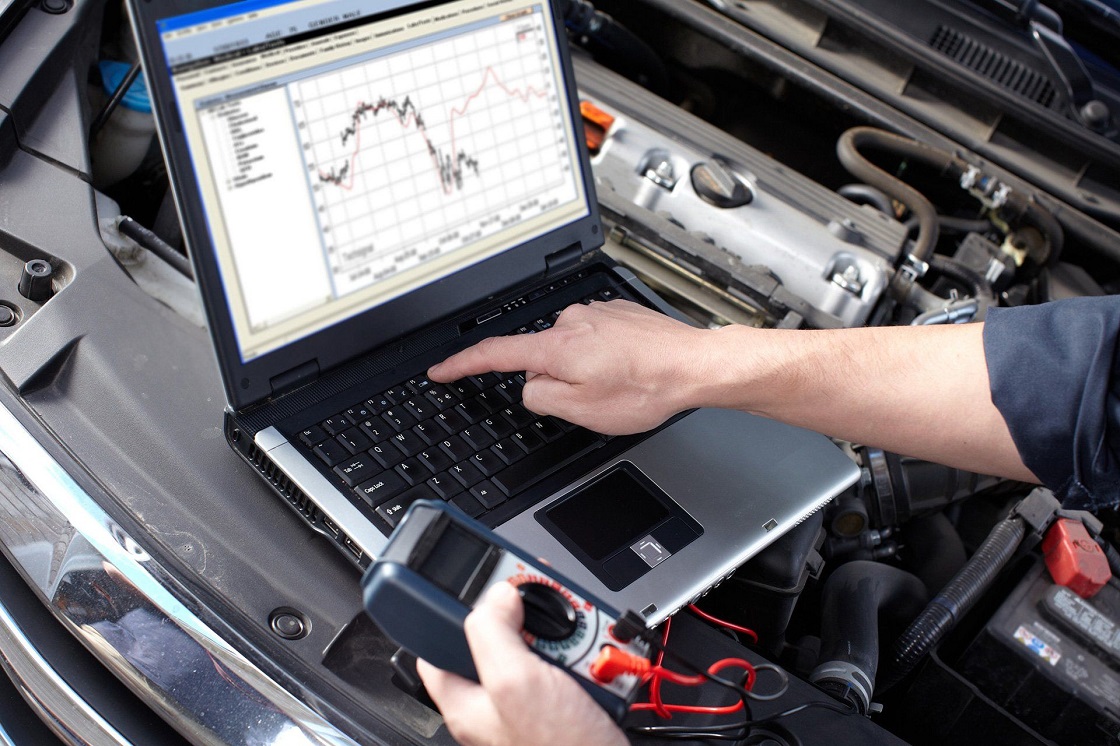
The introduction of advanced diagnostic tools and software has revolutionized the way diesel engines are maintained and repaired. Modern diagnostic equipment, capable of real-time monitoring and analysis, provides precise insights into engine performance and health. These tools use sophisticated algorithms to interpret data from various sensors, enabling mechanics to quickly identify and address issues before they escalate. Technologies like OBD-II (On-Board Diagnostics) scanners have become indispensable in detecting emissions-related problems and ensuring compliance with stringent environmental regulations.
Remote Diagnostics and Telematics
The integration of remote diagnostics and telematics has opened new avenues for diesel engine management. Fleet operators can now monitor the condition of their vehicles remotely, receiving instant alerts on potential issues. This proactive approach to maintenance can significantly reduce downtime and operational costs. Telematics systems gather vast amounts of data on engine performance, fuel consumption, and driving patterns, offering valuable insights for optimizing vehicle efficiency and longevity.
Predictive Maintenance
Leveraging big data and AI, predictive maintenance represents the next frontier in diesel diagnostics. By analyzing historical and real-time data, AI algorithms can predict failures before they occur, scheduling maintenance activities to avoid unexpected breakdowns. This technology not only extends the life of diesel engines but also ensures they operate at peak efficiency, minimizing fuel consumption and emissions.
Emissions Control and Environmental Compliance
With global attention focused on reducing pollution, diesel diagnostics are playing a crucial role in emissions control. Advanced diagnostic systems enable precise adjustments to the engine and exhaust systems, reducing the output of harmful pollutants such as NOx and particulate matter. Innovations in diesel particulate filters (DPF) and selective catalytic reduction (SCR) technologies are supported by diagnostics to ensure optimal functionality, helping vehicles meet the ever-tightening environmental standards.
Challenges and Opportunities
Despite these advancements, the diesel diagnostic industry faces challenges, including the need for continuous training for technicians to keep pace with technological changes. However, these challenges also present opportunities for innovation and growth. As the demand for cleaner, more efficient diesel engines grows, the diagnostic sector will continue to evolve, offering solutions that enhance engine performance while contributing to environmental protection.
Enhancing Technician Expertise and Training
As diesel diagnostic technologies advance, the need for skilled technicians who can navigate complex diagnostic systems and interpret sophisticated data becomes crucial. The future of diesel diagnostics lies not just in technological innovations but also in enhancing the expertise and training of the technicians who operate these systems. Industry and educational institutions are increasingly focusing on specialized training programs that cover the latest diagnostic techniques, tools, and software, ensuring that technicians are well-equipped to handle modern diesel engines.
The Role of Artificial Intelligence and Machine Learning
Artificial Intelligence (AI) and Machine Learning (ML) are set to play a pivotal role in the evolution of diesel diagnostic technology. These technologies have the potential to transform diagnostics from reactive to predictive models. By analyzing patterns in historical and real-time data, AI can identify potential issues before they manifest as actual problems, allowing for timely intervention. This capability will significantly enhance the reliability of diesel engines, reduce maintenance costs, and improve overall efficiency.
Sustainability and Diesel Diagnostics
The push towards sustainability is driving innovation in diesel diagnostics. New diagnostic technologies are not only focused on improving engine performance and reducing downtime but also on minimizing the environmental impact of diesel engines. By ensuring that engines operate within optimal parameters, diagnostics play a key role in reducing emissions and fuel consumption. Furthermore, the integration of diagnostics with emissions control technologies like DPF and SCR systems underscores the commitment to a cleaner environment.
Electrification and Hybrid Technologies
The rise of electrification and hybrid technologies presents both challenges and opportunities for diesel diagnostics. As the automotive industry gradually shifts towards electric and hybrid vehicles, diesel engines are being equipped with hybrid technologies that combine the efficiency of diesel with the environmental benefits of electric power. This transition requires diagnostic systems to adapt and evolve, capable of managing the complexities of hybrid diesel-electric powertrains. The development of diagnostic tools that can seamlessly integrate with these hybrid systems is crucial for the future of diesel technology.
Global Trends and Market Dynamics
The global diesel diagnostic market is influenced by various factors, including regulatory changes, technological advancements, and the push for sustainability. As countries around the world implement stricter emissions standards, the demand for advanced diagnostic technologies that can ensure compliance is on the rise. Furthermore, the growing emphasis on fuel efficiency and the reduction of operational costs are driving the adoption of predictive maintenance and remote diagnostics across the transportation and logistics industries.
Conclusion
The future of diesel innovations in diesel diagnostic technology is marked by rapid advancements and a shift towards more sustainable, efficient, and reliable diesel engines. As the industry embraces AI, ML, and hybrid technologies, the role of diagnostics becomes increasingly central to achieving these goals. The challenges ahead require a concerted effort from manufacturers, technicians, and regulatory bodies to ensure that diesel remains a viable and environmentally responsible option for the future.
The journey of diesel diagnostic technology is one of constant evolution, driven by the dual imperatives of performance optimization and environmental stewardship. As we look ahead, it is clear that the innovations in diesel diagnostics will continue to play a critical role in shaping the landscape of the diesel industry, making diesel engines more adaptable, efficient, and sustainable than ever before.


