

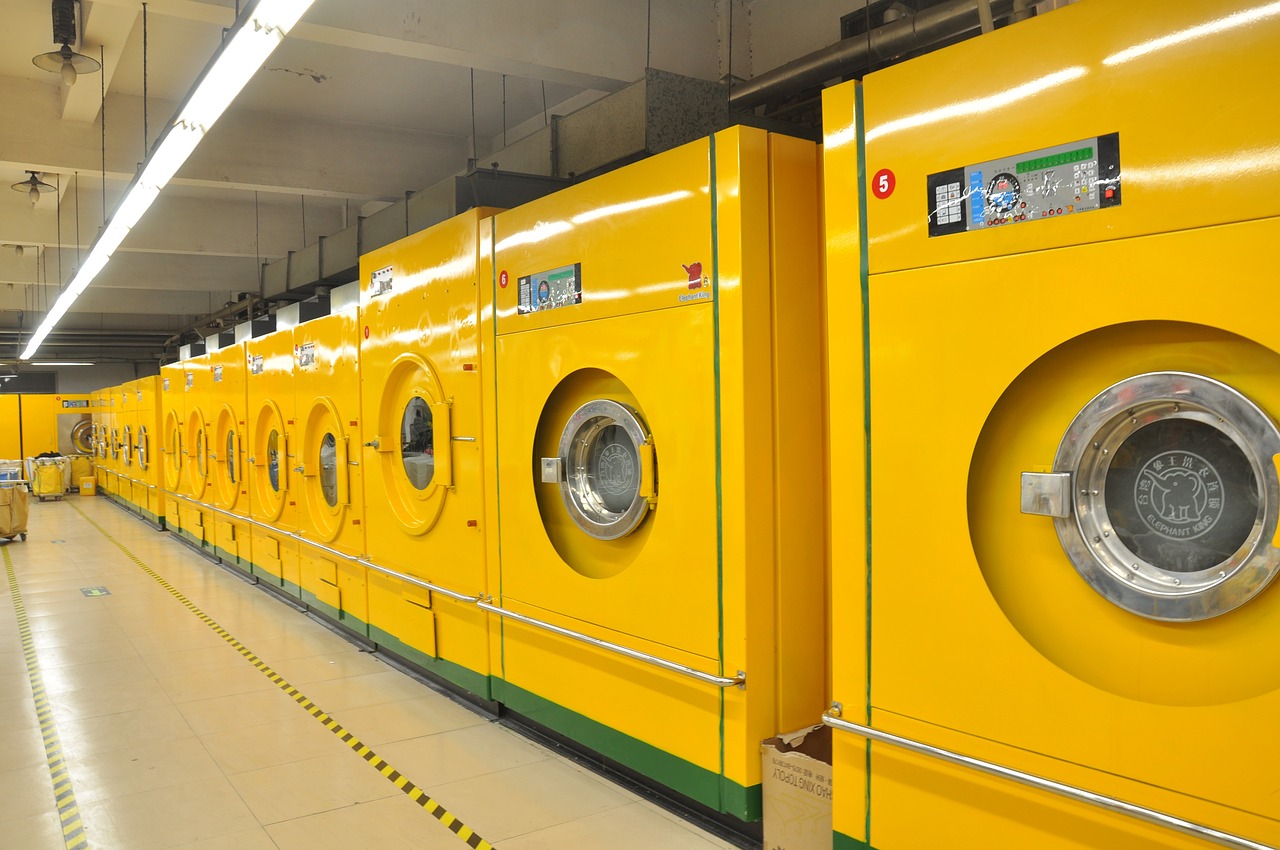


In today’s rapidly evolving business landscape, technology has touched almost every industry, revolutionizing the way services are delivered. The field of commercial laundry service is no exception. Technology has transformed this traditional industry into a sophisticated, efficient, and customer-focused sector. In this article, we explore the impact of technology on commercial laundry services, highlighting the key trends and innovations driving change in the industry.
The Evolution of Commercial Laundry Services
Commercial laundry service has long been a critical part of industries like hospitality, healthcare, and property management. Traditionally, these services relied on manual labor, basic machinery, and routine processes. However, as technology has advanced, so too has the capacity for commercial laundry services to deliver better quality, efficiency, and sustainability.
Automation and Efficiency
One of the most significant impacts of technology on commercial laundry services is the rise of automation. Automation has streamlined many of the industry’s manual processes, reducing human error and increasing productivity. Automated systems can sort, wash, and fold laundry with minimal human intervention, allowing laundry businesses to process larger volumes in shorter time frames.
Advanced machinery and robotics have also contributed to the efficiency of commercial laundry services. These machines can perform tasks with precision, reducing the need for repetitive manual labor. This not only speeds up the laundry process but also enhances safety by reducing the risk of workplace injuries.
Smart Technology and IoT Integration
The integration of smart technology and the Internet of Things (IoT) has further propelled the efficiency of commercial laundry services. Smart machines equipped with sensors can monitor water and energy usage, allowing businesses to optimize resource consumption. This leads to cost savings and a smaller environmental footprint, aligning with the growing demand for sustainable practices.
IoT-enabled systems can also provide real-time data on equipment performance and maintenance needs. This data-driven approach helps businesses proactively address potential issues, reducing downtime and ensuring consistent service quality. Additionally, smart technology allows for remote monitoring, giving business owners greater control over their operations from anywhere in the world.
Improved Quality Control
Technology has also improved quality control in commercial laundry services. Advanced systems can ensure that each load is washed according to specific requirements, preventing damage to delicate fabrics and maintaining the quality of linens and garments. This is especially important for industries like healthcare and hospitality, where hygiene and presentation are paramount.
Moreover, automated quality control systems can detect defects or inconsistencies in finished products, ensuring that only high-quality items are delivered to customers. This enhances customer satisfaction and helps build a positive reputation for commercial laundry services.
Customer-Focused Technology
Technology has made it easier for commercial laundry services to connect with their customers and provide a more personalized experience. Online platforms and mobile apps allow customers to schedule laundry pickups, track the status of their orders, and receive notifications when their laundry is ready for delivery. This level of convenience and transparency fosters customer loyalty and sets businesses apart from competitors.
Additionally, technology has enabled commercial laundry services to offer a wider range of services. Beyond traditional wash-and-fold, businesses can now provide specialized services like dry cleaning, laundry by the pound, and house cleaning with laundry service. This flexibility allows businesses to cater to diverse customer needs and expand their market reach.
Environmental Sustainability
Sustainability is a growing concern across industries, and technology has played a significant role in promoting eco-friendly practices in commercial laundry services. Advanced machinery and systems designed to conserve water and energy help reduce the environmental impact of laundry operations. Businesses can implement recycling programs, use biodegradable detergents, and minimize waste, contributing to a greener industry.
Furthermore, technology has made it easier for commercial laundry services to comply with environmental regulations. Automated systems can track and report resource usage, ensuring that businesses meet compliance standards and avoid potential penalties.
Conclusion
Technology has had a profound impact on commercial laundry services, transforming the industry into a more efficient, customer-focused, and sustainable sector. From automation and smart technology to improved quality control and customer convenience, the benefits of technology are evident. As the industry continues to evolve, commercial laundry services that embrace these technological advancements will be better positioned to meet the changing demands of customers and maintain a competitive edge in the market.
Incorporating technology into commercial laundry services not only streamlines operations but also enhances customer satisfaction, reduces costs, and promotes sustainability. Whether it’s through automation, IoT integration, or customer-focused platforms, technology will continue to drive innovation in the commercial laundry industry, leading to a brighter and more efficient future.


